Featured Pests
High-Priority Insects and Mites
Disease and Environmental Issues
Integrated Pest Management Approach


Spider Mite Control GuideUnderstanding Spider Mites
-
![]()
Identification
Recognize spider mite damage and signs
-
![]()
Causes
Learn what leads to spider mite infestations
-
![]()
Treatment Plan
Step-by-step solutions to eliminate mites
-
![]()
Prevention Tips
How to protect your plants

Recommended Products

-
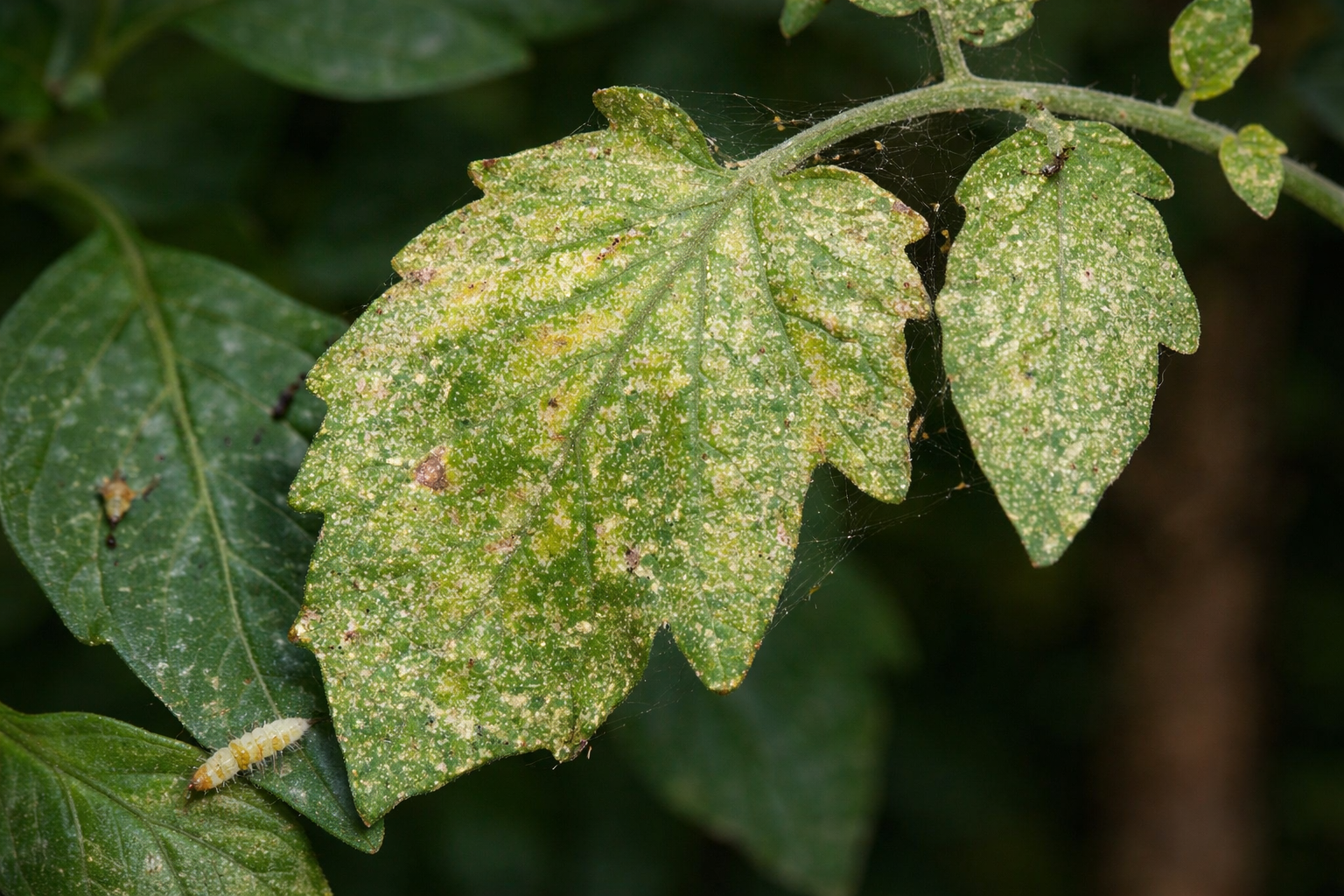
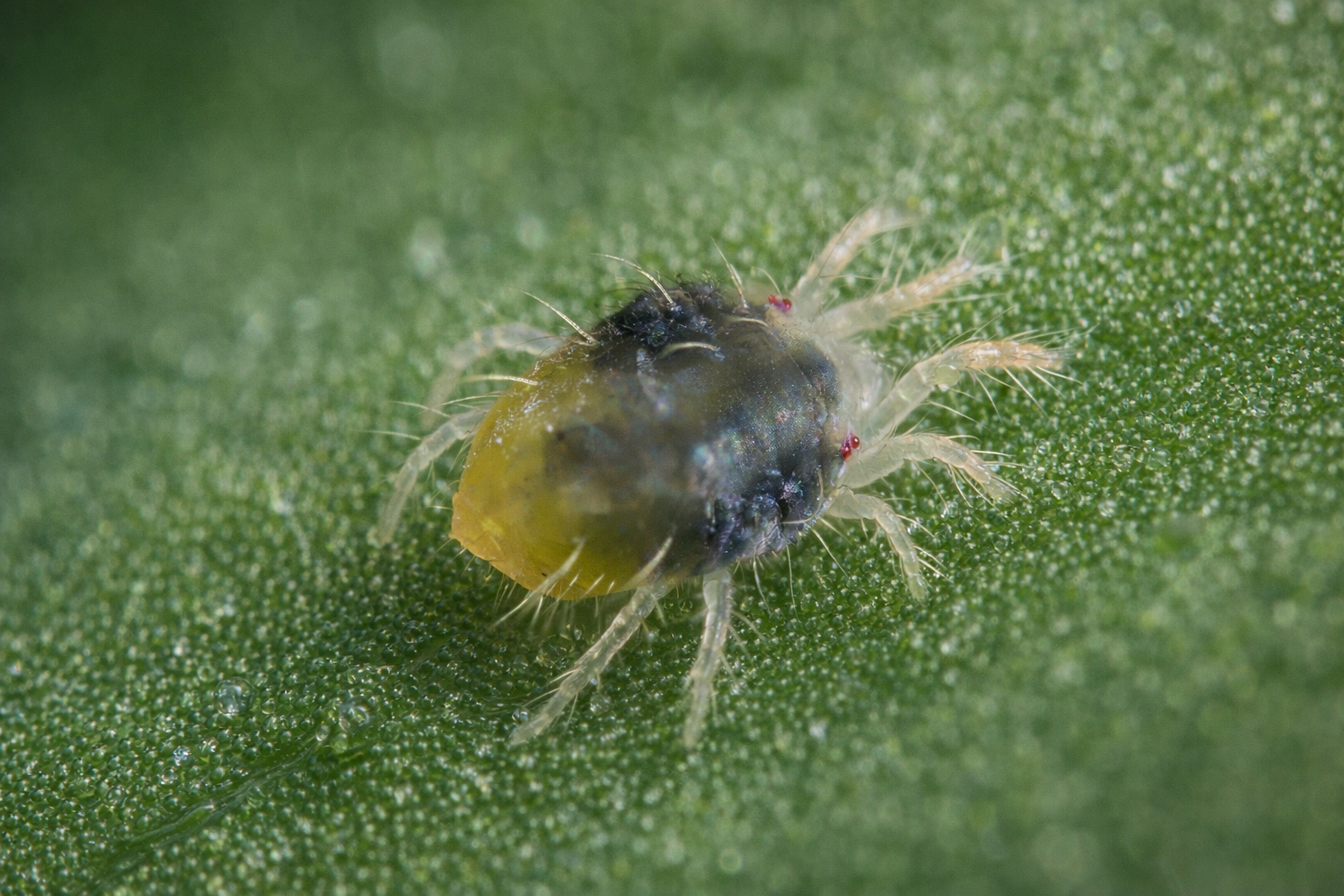
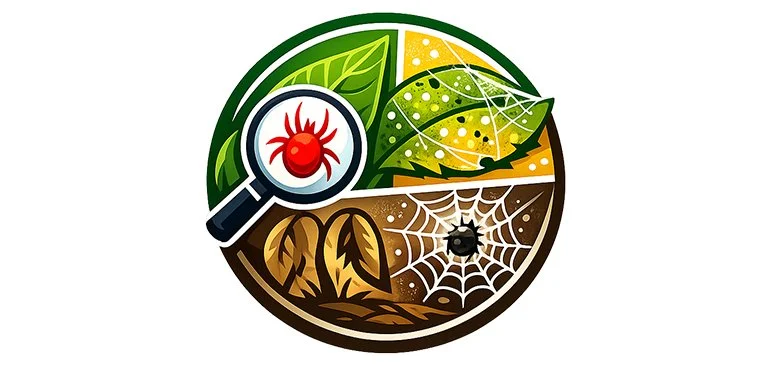
Spider mites are tiny plant-feeding pests that are often hard to see with the naked eye, so most growers notice the plant damage before they see the mites. Common spider mite signs include small white or yellow speckles on the leaves, a dusty or faded leaf appearance, yellowing, bronzing, leaf drop, and fine webbing around leaves, stems, or growing tips. Spider mites usually feed on the undersides of leaves, where they pierce plant cells and suck out the contents, creating a stippled or mottled look.
Quick signs of spider mites:
Tiny white, yellow, or bronze speckles on leaves
Fine webbing on leaves, stems, or flower sites
Mites moving on the underside of leaves
Yellowing, bronzing, curling, or dropping leaves
Damage that starts low on the plant or in dry, stressed areas
Tiny moving dots when leaves are tapped over white paper
-
Yes. Houseplants can get spider mites, and indoor plants are one of the most common places gardeners notice them
Common houseplants that can attract spider mites include:
Calathea, Alocasia, palms, ivy, ficus, crotons, dracaena, hibiscus, cannabis, citrus, roses, and many tropical indoor plants.
To check your houseplants for spider mites, inspect the undersides of leaves, leaf joints, and new growth. You may see tiny moving dots, fine silk webbing, or a dusty, speckled appearance on the leaves. A simple test is to tap a leaf over a white piece of paper and look for tiny moving specks.
-
No. Aphids are not equally harmful to all plants, but they can damage a wide range of garden plants, houseplants, greenhouse crops, flowers, vegetables, fruit trees, and ornamental plants. Some plants are highly attractive to aphids, while others may only get light feeding or no noticeable damage.
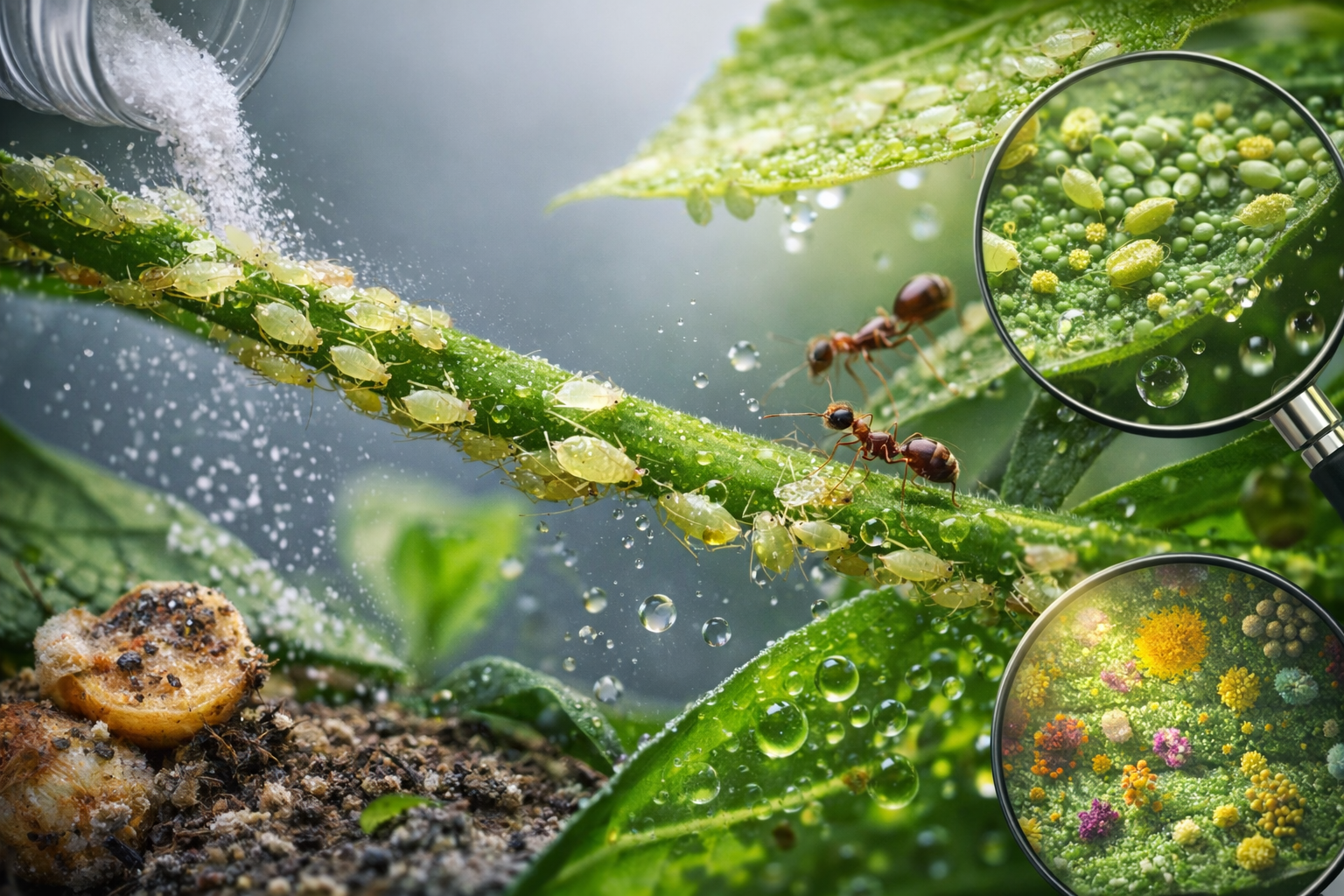
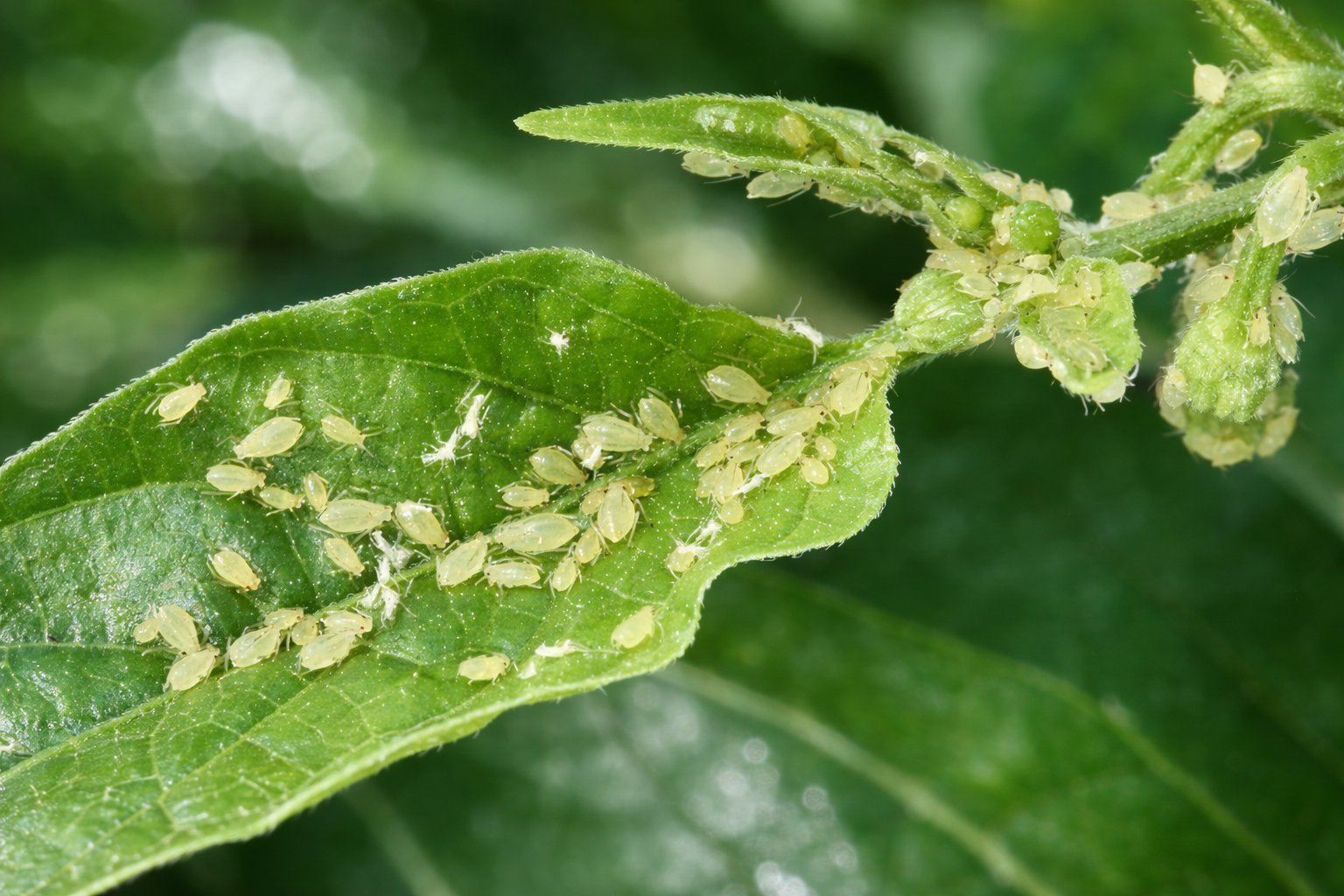
Aphids are small, soft-bodied plant pests that feed by piercing plant tissue and sucking plant sap. Heavy aphid infestations can cause curled leaves, yellowing leaves, distorted new growth, sticky honeydew, black sooty mold, stunted plants, and reduced plant vigor. Young plants, tender new growth, stressed plants, and fast-growing crops are usually more vulnerable to aphid damage.
Aphids commonly attack plants such as:
Roses, peppers, tomatoes, lettuce, kale, cabbage, hibiscus, citrus, fruit trees, cannabis, herbs, milkweed, houseplants, and many ornamental flowers.
-
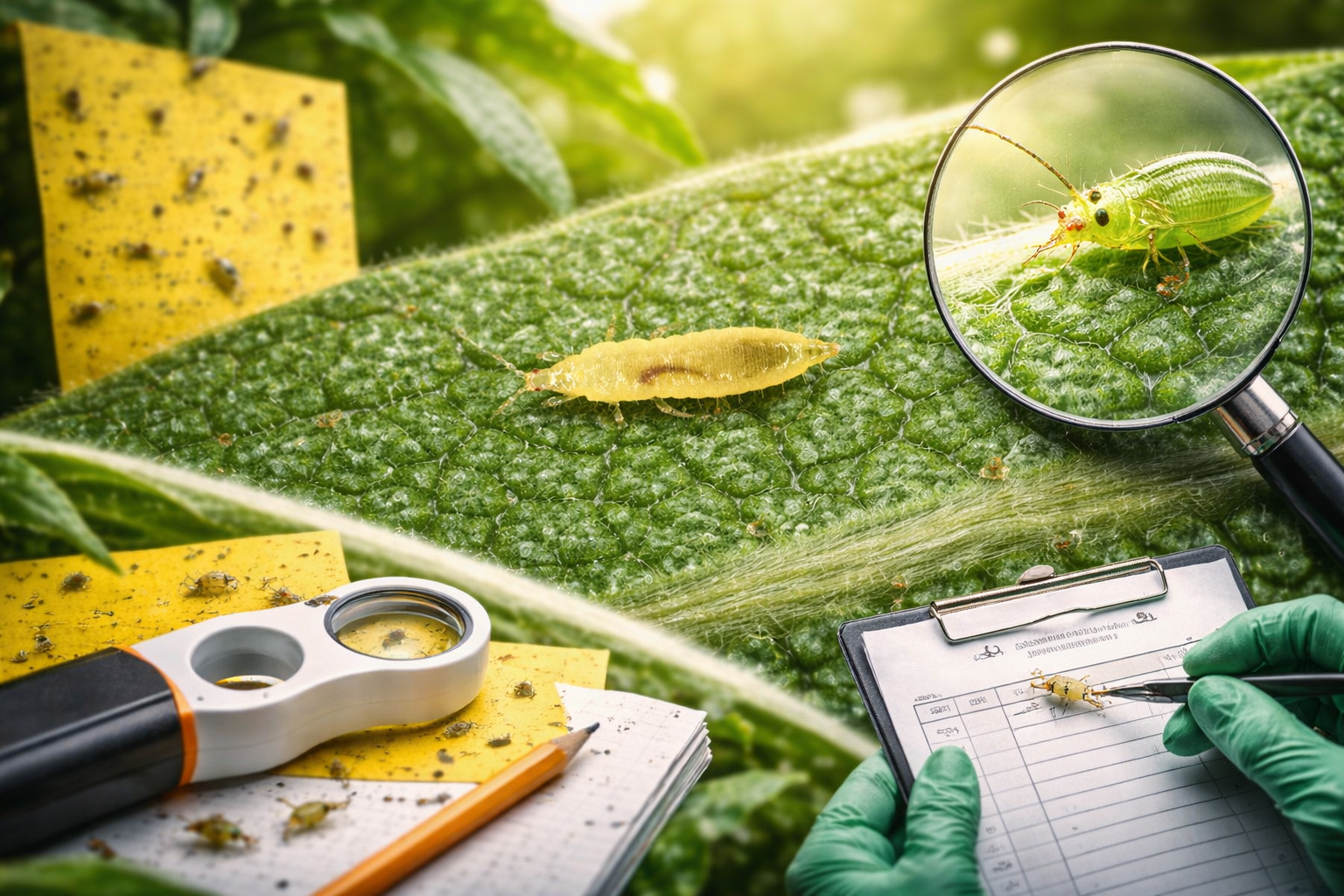
The best way to prevent pest infestations is to use a consistent IPM program before pests become a serious problem. Integrated Pest Management, or IPM, focuses on prevention, regular monitoring, clean growing practices, and early action instead of waiting until plants are heavily infested.
Always inspect new plants before bringing them into your garden, greenhouse, or indoor grow space. Quarantine new plants when possible, because many infestations begin when pests are introduced on incoming plant material.
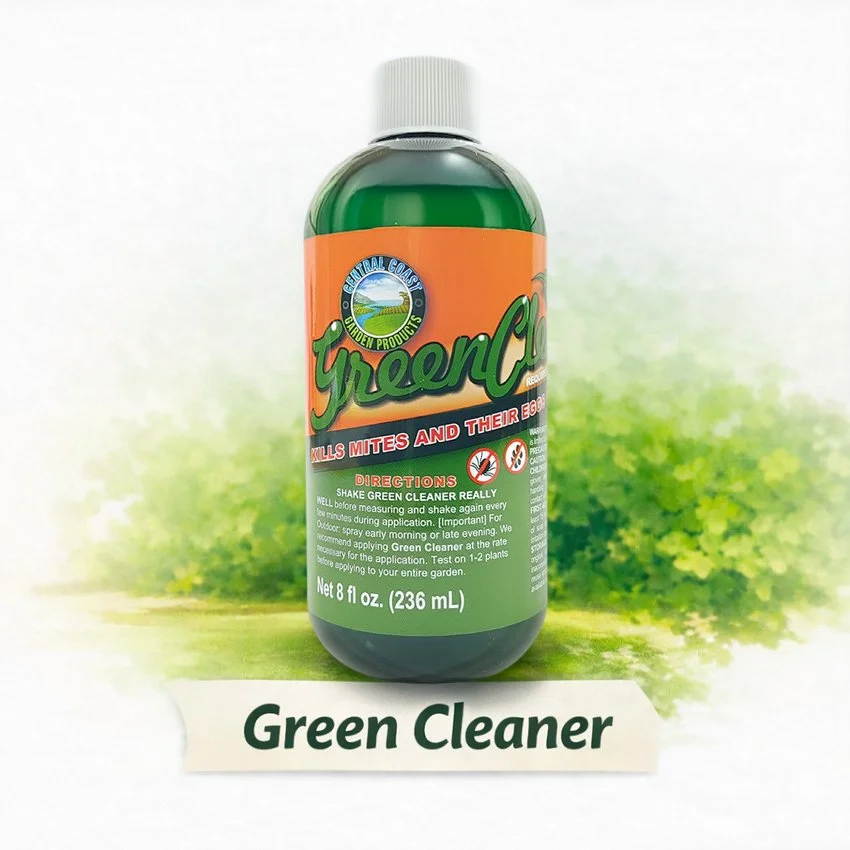
Green Cleaner IPM can be used as part of a preventative plant care routine to help keep plants clean and reduce pest pressure before infestations get out of control. When used according to label directions, Green Cleaner IPM fits into a proactive integrated pest management plan for gardeners who want to protect plants from common soft-bodied pests while maintaining a cleaner growing environment.
Frequently Asked Questions
Pest-Infestation Risk Checklist
Related Articles & Resources
-
![]()
Recognize pest damage and signs
-
![]()
Learn what leads to pest infestation
-
![]()
IPM Monitoring Tips